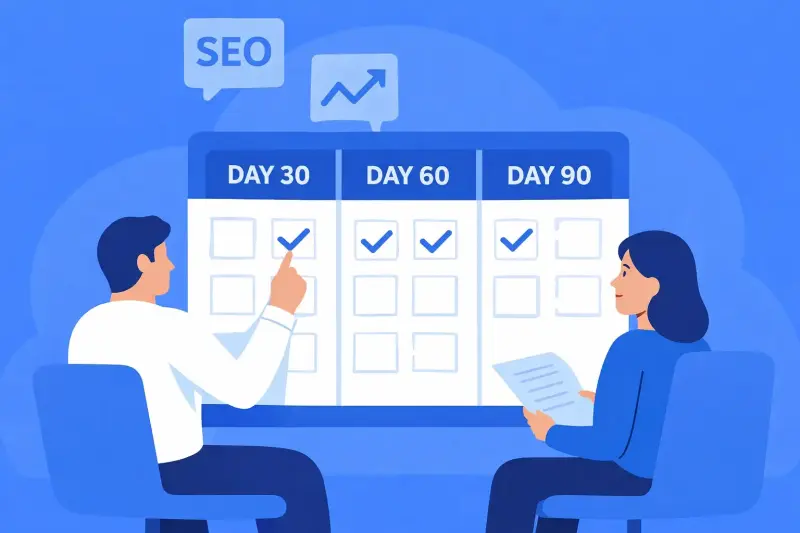
If you’re thinking about hiring an SEO agency, the first 90 days are where most people get confused, impatient, or burned.
Not because SEO “doesn’t work” — but because expectations were never set properly.
I’ve been doing SEO for over a decade, and one thing I’ve learned is this:
Good SEO feels boring before it feels exciting.
And that’s exactly how it should be.
Here’s what you should realistically expect from a good SEO agency or freelancer in the first 90 days — and what you shouldn’t.
First, the Hard Truth (Before Any Work Starts)
If you’re hiring an SEO agency, the most important thing to understand upfront is this:
It’s completely normal to not see obvious results in the first 90 days.
And I don’t mean that as a “trust us, keep paying us” line — I mean it in the most practical, reality-based way possible.
Google doesn’t work like a light switch. There’s no moment where you hit day 30 or day 90 and suddenly your website “turns on” and starts ranking. SEO is more like planting seeds in soil you don’t control. You can do everything right — great content, smart keyword targeting, consistent publishing — and still need time for Google to crawl, index, test, and finally trust your pages enough to move them up.
That’s why I’m always skeptical of agencies that promise “guaranteed rankings” or immediate traffic spikes. Not because rankings never improve quickly (sometimes they do), but because anyone who guarantees it is usually doing one of two things:
- They’re saying what you want to hear to close the sale, knowing they can always fall back on “SEO takes time” later.
- They’re taking shortcuts that might create a temporary bump, but often backfire — thin content, spammy tactics, or strategies that don’t hold up long-term.
What matters in the first 90 days isn’t “did we hit #1 yet?”
What matters is: is the work being done the right way, and can the agency prove it?
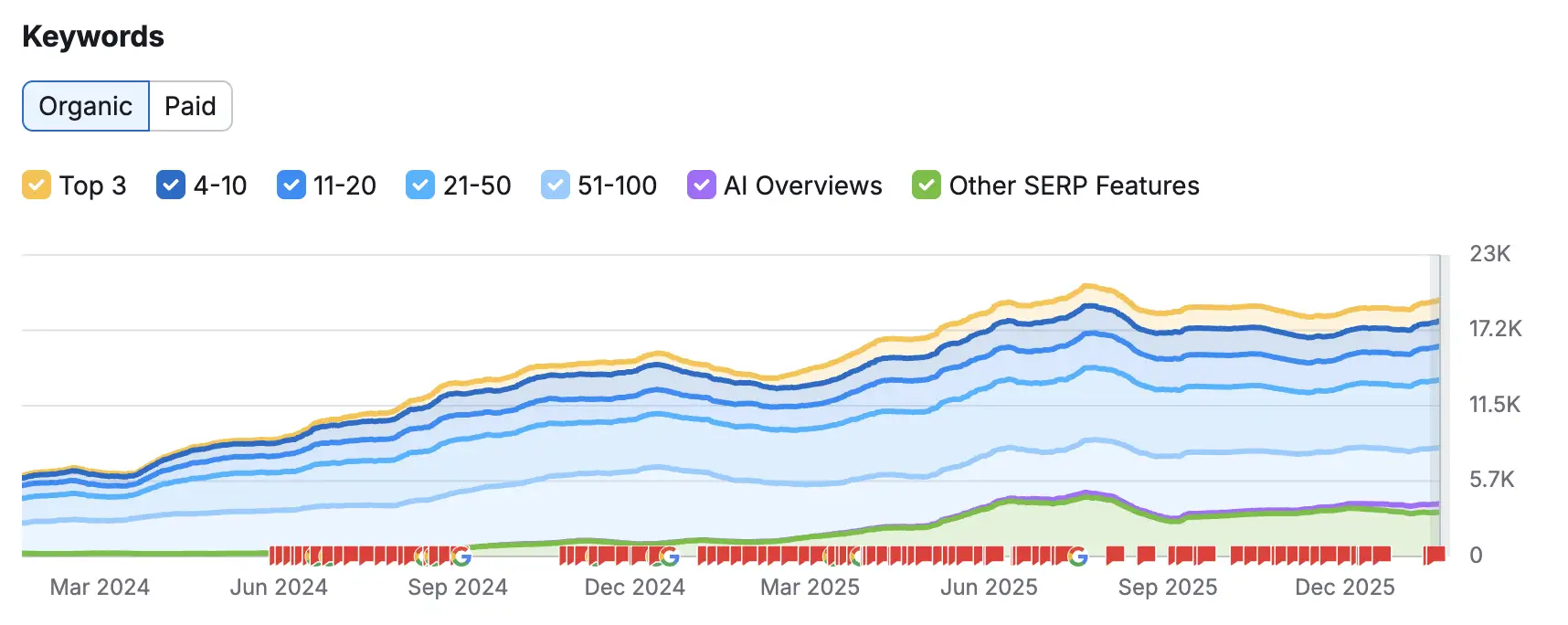
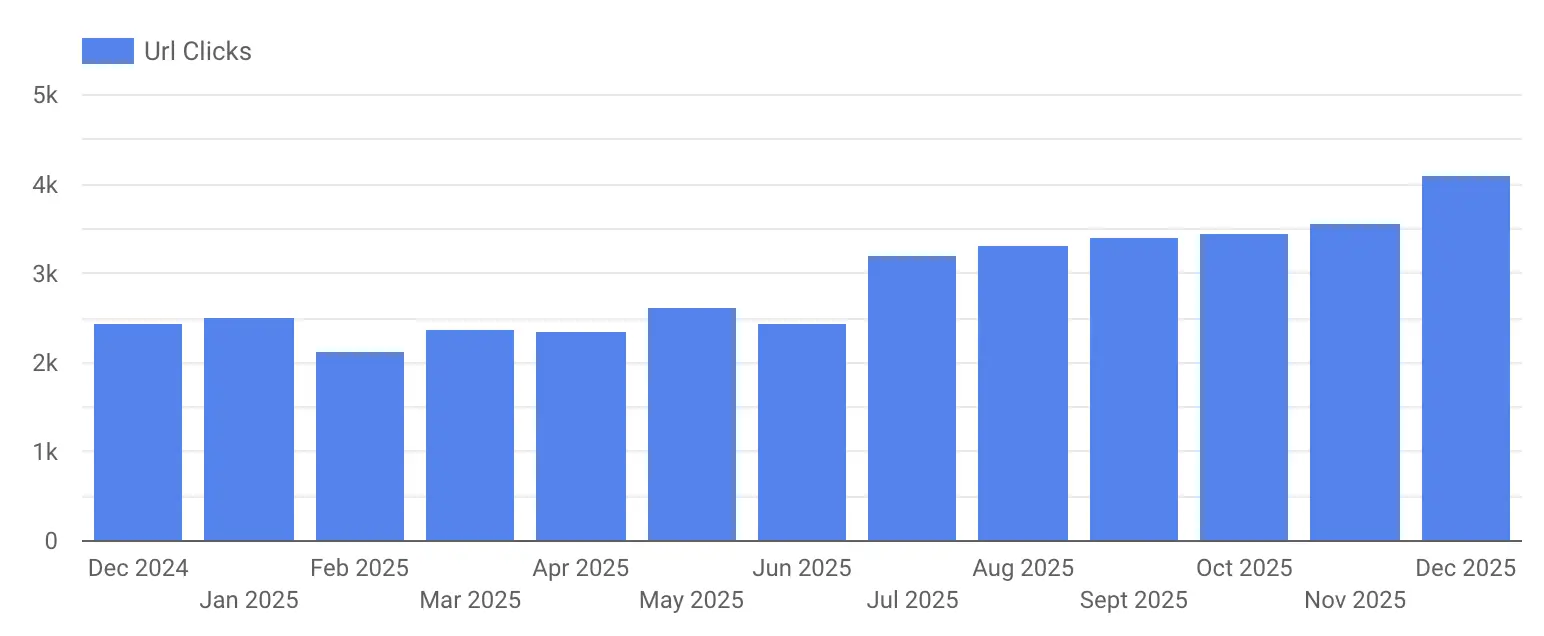
Here’s a client we started working with in January 2025. The first few months don’t show much improvement.
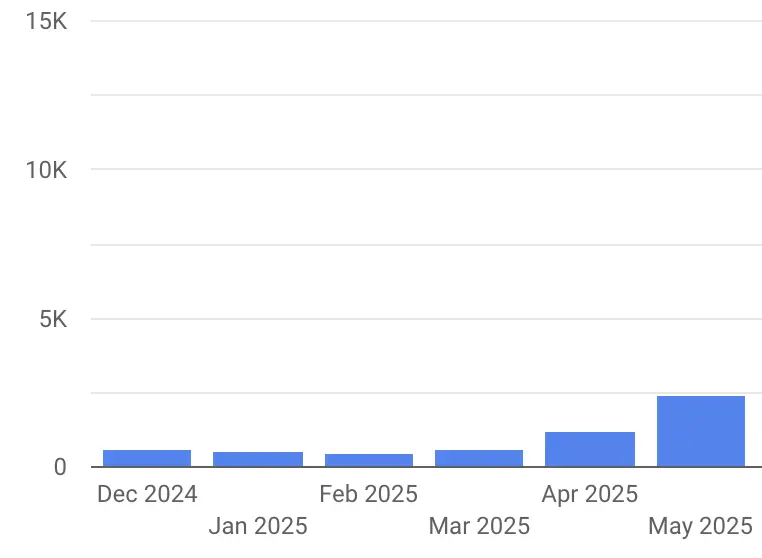
If they would have given up after 3 months, they wouldn’t have seen the growth in this screenshot…
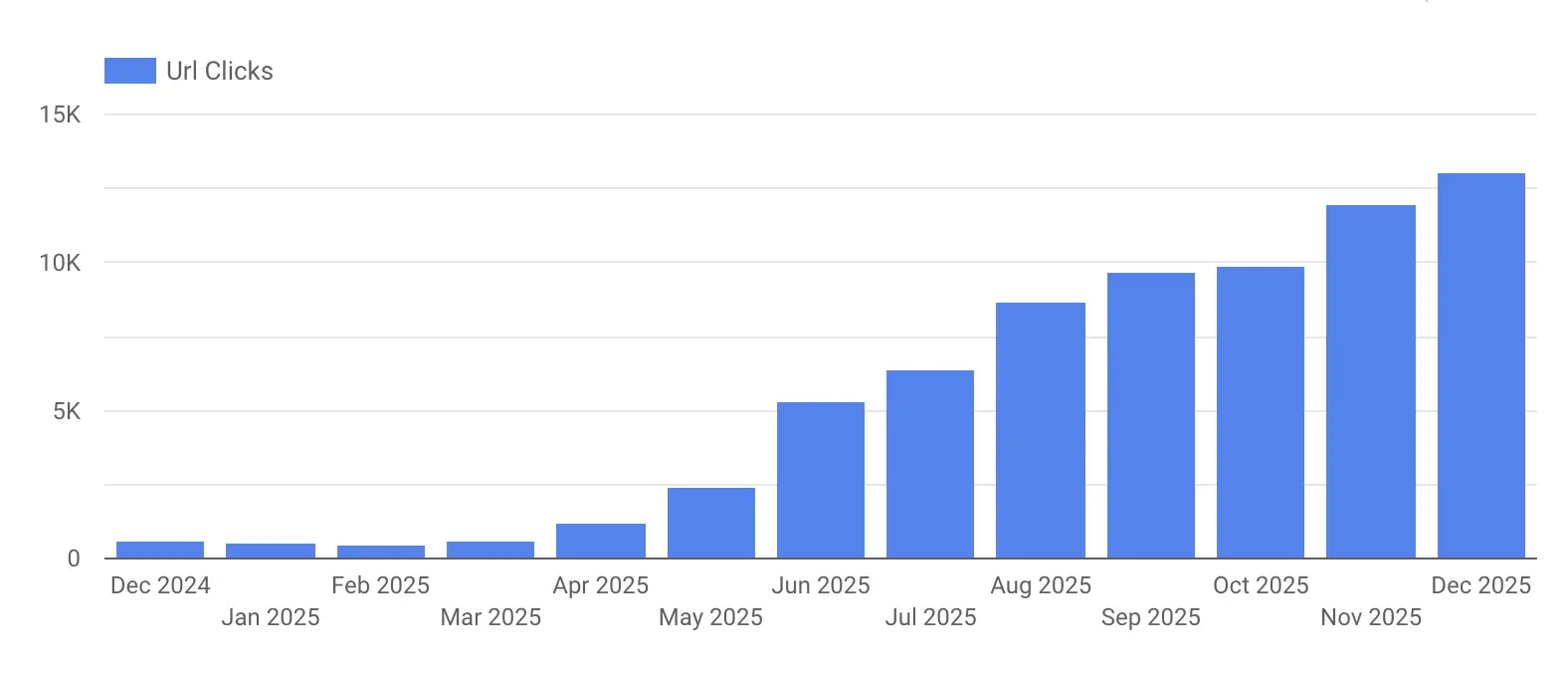
They went from approx. 500 visitors a month to over 13,000 within 12 months.
A good SEO agency should be able to clearly explain:
- what they’re targeting and why
- what they’ve learned about your competitors
- how they’re choosing keywords (and what “winning” looks like)
- what pages they’re prioritizing first
- what’s being published or optimized week to week
- what signals they’re watching to know the campaign is moving in the right direction
Because SEO isn’t guessing. It’s not “posting blogs and hoping.” It’s research, execution, and consistency — done in a way that builds trust with both Google and real people.
At HeyTony, we set this expectation on the first discovery call, even if someone doesn’t work with us. We’d rather be brutally honest and lose a deal than sell someone on the fantasy that SEO is quick, predictable, and guaranteed.
The first 90 days are mostly about building the foundation: making sure we’re going after the right keywords, creating or improving the right pages, and getting Google to start paying attention.
Sometimes results happen early. Often they don’t.
But if the strategy is right and the work is consistent, you’ll usually see the earliest signs that things are working — even before you see the big outcomes.
What a Good SEO Agency Actually Does in the First 90 Days
Keyword Research Based on Reality (Not Guessing)
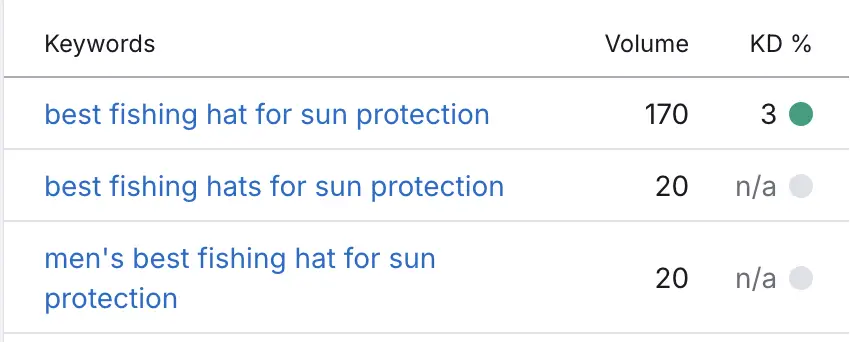
A good SEO agency doesn’t start by writing content. It starts by figuring out what actually has a chance to rank.
Before a single page is created or updated, proper keyword research needs to happen. That means analyzing your competitors to see what they’re ranking for, where they’re strong, and where there are clear gaps or weak spots. Every market has opportunities — keywords competitors are ranking for poorly, pages that are thin or outdated, and search terms that can realistically be won with the right approach.
This is where most bad SEO begins. Many agencies skip this step and “just start writing content,” hoping something sticks. That usually leads to months of work with little to no movement, because the content was never strategically chosen in the first place.
Good keyword research is grounded in reality. It prioritizes low-hanging-fruit keywords early while still supporting longer-term goals. Just as important, those keywords shouldn’t be a mystery. You should know what’s being targeted, why it was chosen, and how it fits into the bigger strategy — not pulled from a random content calendar.
A Kickoff Call Before Day One
If your SEO agency disappears for the first few weeks, that’s a red flag.
Before work officially begins, there should already be progress. Initial keyword research should be done, topics prepared for approval, and the overall strategy clearly explained. This way, when Day 1 hits, momentum is already there. You’re not waiting around wondering what’s happening — you’re actively involved from the start.
Consistency Over Chaos
In the first 90 days, SEO is about building momentum.
That means publishing content consistently, optimizing existing pages based on approved keywords, and showing up week after week. Google rewards steady, intentional progress — not chaotic content dumps. One to two well-thought-out pieces per week will almost always outperform dumping dozens of AI-generated pages all at once.
Consistency builds trust, and trust is what leads to rankings.
What “Early Wins” Actually Look Like (Hint: It’s Not Revenue Yet)
Why Early SEO Progress Feels Underwhelming
Most clients don’t see massive traffic spikes in the first 90 days — and that’s expected. Early SEO wins are subtle, and if you don’t know what to look for, it’s easy to assume nothing is working.
In reality, SEO progress usually shows up quietly before it shows up dramatically.
The First Signals That SEO Is Working
One of the earliest signs of progress is increasing impressions in Google Search Console. An impression means your page is appearing in search results, even if no one clicks yet. When impressions start to rise, it tells us that Google is discovering your pages, indexing them, and beginning to test them against real searches.
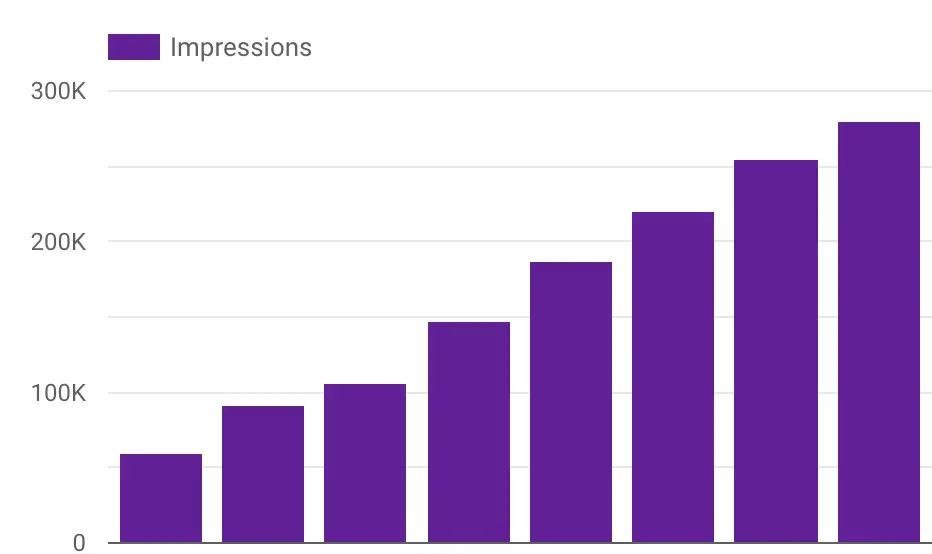
Alongside impressions, you’ll often see:
- new pages getting indexed
- rankings appearing for keywords you weren’t ranking for before
- pages slowly moving up in average position over time
These aren’t vanity metrics — they’re indicators that your site is entering Google’s consideration set.
Why Impressions Matter Before Clicks
Impressions matter early because they answer one critical question:
“Does Google trust this page enough to show it at all?”
Before clicks come rankings.
Before rankings come impressions.
When Google starts testing your pages in search results, it’s laying the foundation for future traffic. This is the stage where momentum begins — even if it’s not visible in your revenue yet.
SEO builds quietly first. The wins compound later.
The Biggest Misunderstandings in the First 90 Days
“SEO Didn’t Work Before — How Is This Any Different?”
Most people come into SEO skeptical — and honestly, that skepticism is earned. The SEO industry has a trust problem, largely because too many agencies hide behind the same vague line:
“SEO just takes time.”
While that can be true, it’s also the easiest excuse in the world.
Time alone doesn’t make SEO work. Time only helps if the strategy is sound, the execution is consistent, and the agency is transparent about what’s happening. Without those three things, waiting longer just means wasting more money.
A good SEO campaign should never feel like a black box. If you don’t know what keywords are being targeted, which pages are being updated, or what content is being published, then you’re flying blind — and blind trust is usually how businesses get burned.
Transparency doesn’t guarantee instant results, but it does guarantee accountability.
“Why Are We Writing Blog Posts?”
This question comes up constantly, especially from business owners who only care about ranking their main service or product pages.
Blog content isn’t about “writing for fun.” It’s about building topical authority.
SEO works like a snowball rolling downhill. You start with smaller, focused wins — informational content and lower-competition keywords — and as momentum builds, harder and more competitive keywords become easier to rank for.
Blog posts support your money pages in a few critical ways. They help build trust with Google, increase topical relevance, and create natural internal links that reinforce what your core pages are actually about.
That’s how rankings compound over time. Not by forcing one page to rank, but by building enough authority around a topic that ranking becomes inevitable.
How Progress Is Measured (And What Actually Matters)
Not All SEO Metrics Are Equal
SEO produces a lot of data, but not all of it deserves the same attention.
Early on, impressions help us understand whether Google is starting to surface your pages. But impressions alone don’t grow a business. Clicks do. Clicks are what bring real people to your website.
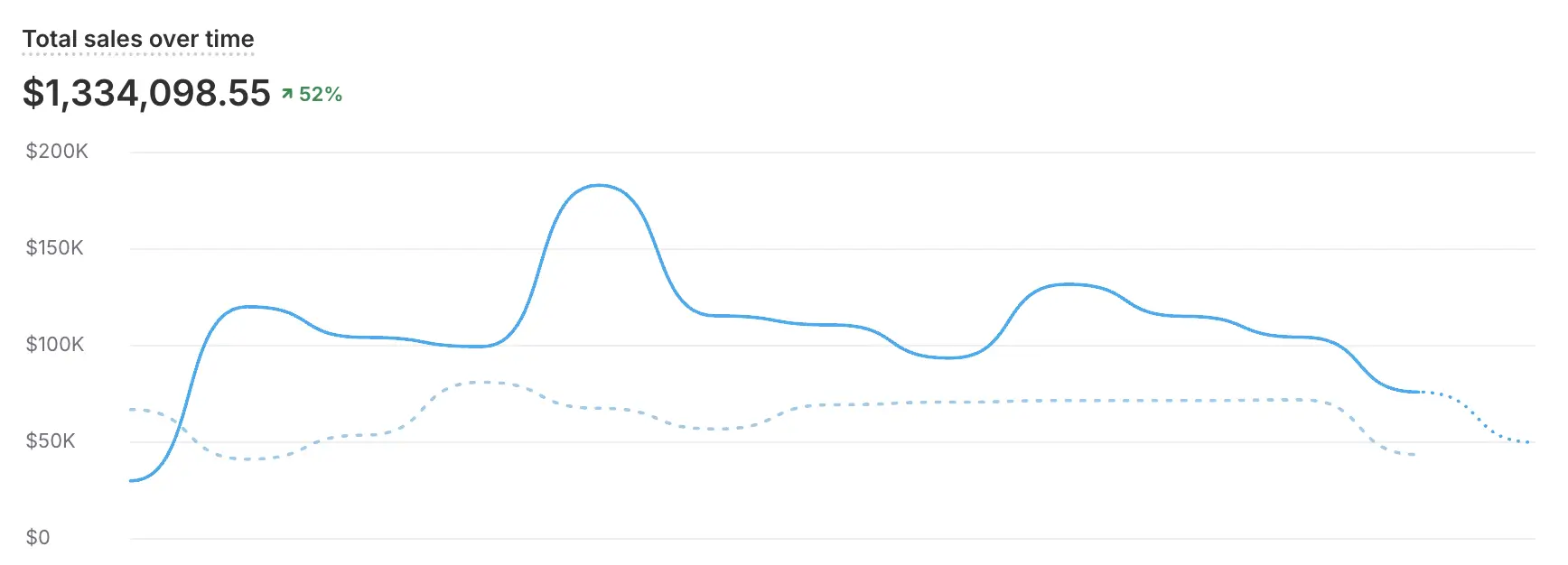
As campaigns mature, we focus on a few core signals: are you ranking for meaningful, high-intent keywords? Are clicks increasing over time? And most importantly, are those clicks turning into leads or sales?
That’s why the most important question we ask clients is simple:
“Are you making more money?”
SEO isn’t about vanity metrics, screenshots, or bragging about traffic that doesn’t convert. At the end of the day, SEO only matters if it contributes to real business growth.
Why the First 90 Days Feel “Heavy”
The Adjustment Period Most Agencies Don’t Mention
Here’s something most SEO agencies won’t tell you: the first 30–60 days usually involve more back-and-forth.
That’s not a sign that something is wrong — it’s part of the process. Early on, a good agency is learning your brand voice, understanding your expertise, and dialing in tone, messaging, and priorities. That refinement takes collaboration.
Once that foundation is set, things tend to smooth out. Many clients move to auto-approval, communication becomes lighter, and execution speeds up. Those are often the clients who see the strongest long-term results.
SEO works best when there’s trust on both sides — and trust is built early.
What Actually Sets a Great SEO Agency Apart
Process Matters — But Experience Matters More
There’s no magic formula in SEO. At its core, it’s content, optimization, and consistency. Every legitimate agency is working with the same fundamental ingredients.
What actually separates a great SEO agency from an average one is the experience around that work.
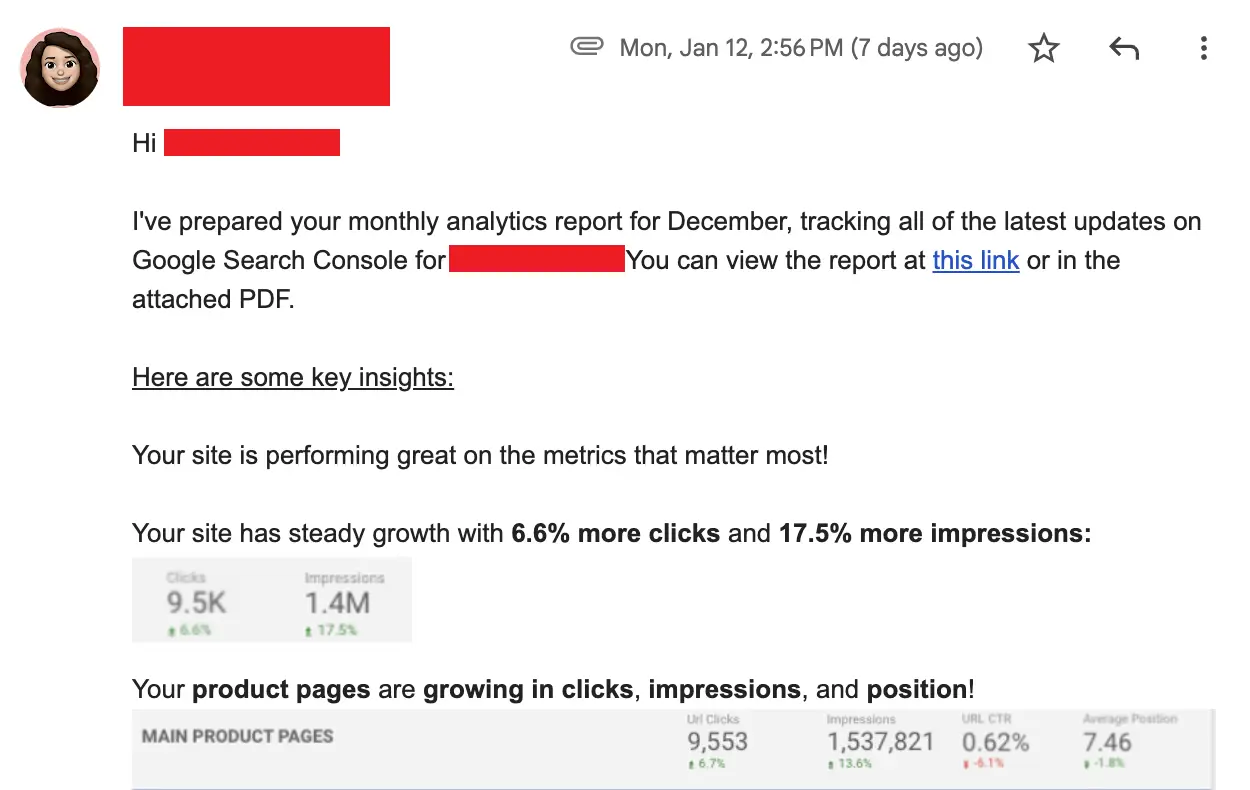
Clients shouldn’t be left guessing whether anything is happening. They should hear from their agency regularly, understand what’s being worked on, and see progress communicated clearly — even when the wins are small. Those early signals matter, especially when results take time.
At HeyTony, SEO is collaborative. We explain the “why” behind our decisions, involve clients in approvals, and stay visible throughout the process instead of disappearing after the invoice is paid. Here’s what it’s like to work with HeyTony.
SEO should feel like a partnership, not a mystery subscription you hope works someday.
Want to work with us or learn more about our SEO services? Contact us today!
Originally published . Last updated .
Categories:



Explore More