The cheapest keyword research tool worth using in 2026 is HeyKeywords.com at $29/month — built specifically for small business owners who need the essentials without paying for features they’ll never use.
If you’re doing SEO — even basic SEO — you need a keyword research tool. There’s no way around it. You need to know what people are searching for, how competitive those searches are, and whether there’s a realistic chance of ranking for them.
The problem? The tools everyone talks about — Semrush, Ahrefs, Moz — cost anywhere from $100 to $500+ per month. That’s not a small business budget. That’s an enterprise budget.
I’m Matt Diamante, founder of HeyTony, an SEO agency based in Hamilton, Ontario with 100+ clients. I’ve been doing SEO for over 15 years, and I’ve watched keyword research tool pricing balloon to the point where small business owners are either going without or blowing a huge chunk of their marketing budget on features they’ll never touch.
That’s why I built HeyKeywords.com — the cheapest full-featured keyword research tool on the market at $29/month. But I’m not here to just pitch you my own tool. I want to give you an honest breakdown of what’s actually worth paying for — and what you can skip.
Why “Cheap” Keyword Research Actually Matters
Here’s the thing most SEO gurus won’t tell you: if a small business owner can’t afford a keyword research tool, they’re probably going to give up on SEO entirely. And that’s a much bigger loss than most people realize.
When a business gives up on SEO, they’re giving up on compounding traffic, sustainable growth, and revenue that doesn’t disappear the moment they stop running ads. That revenue could help them hire another employee, grow their team, reinvest in their community. I genuinely believe the world runs on small business — and if the right small businesses aren’t ranking, that’s a problem worth solving.
So no, a cheap keyword research tool isn’t just about saving money. It’s about staying in the game long enough for SEO to actually work.
The Cheapest Keyword Research Tools in 2026
Here’s an honest look at the most affordable options available right now.
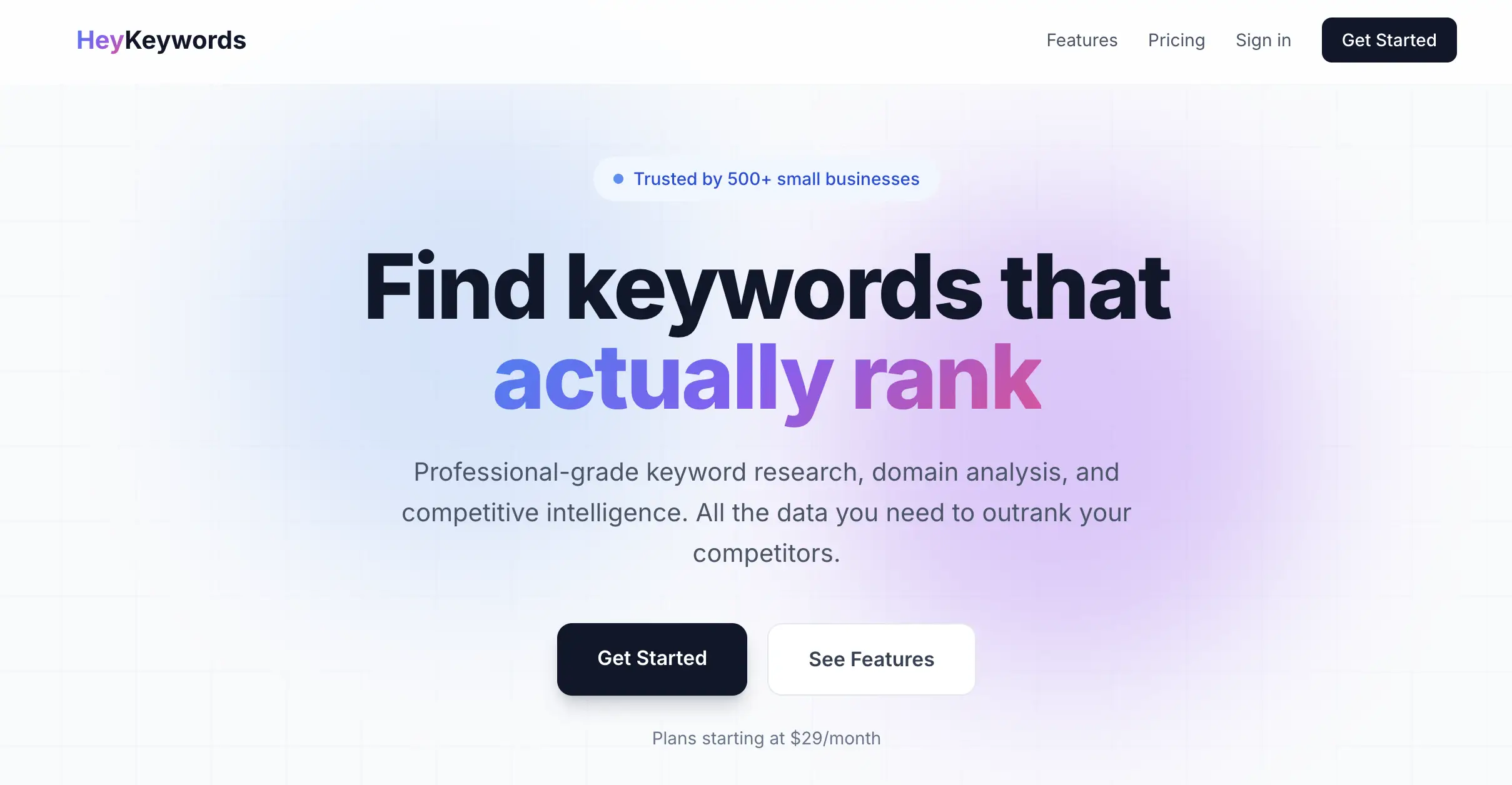
HeyKeywords.com — $29/month
This is the tool I built, so I’ll be upfront about that. I priced it at $29/month because that’s what I believe small business owners can reasonably afford without stretching their budget.
The philosophy behind HeyKeywords is the opposite of the big platforms: instead of cramming in every possible feature, I kept it focused on what you actually need. Right now, that means:
- Keyword research — find keywords, see volume and difficulty
- Domain overview — see what any site is ranking for
- Keyword gap — compare your keywords to a competitor’s
- Backlink gap — find backlink opportunities you’re missing
That’s 99% of what most SEO users need on a weekly basis. The features you’re paying for at Semrush and Ahrefs? Most people buy them and never use them.
One honest trade-off: because we’re working with real-time data rather than a massive cached database, it can occasionally be slower than the big tools. And the volume estimates, while based on real search data, won’t be identical to Semrush or Ahrefs — though to be fair, none of these tools agree with each other anyway. They all use their own algorithms.
Coming soon: I’m also planning to integrate the functionality from FindQuestions.com (free to use, by the way) — a tool that surfaces real questions your customers are asking across Reddit, Quora, and Facebook. That kind of conversational, pain-point-driven keyword data is going to live inside HeyKeywords at no extra cost.
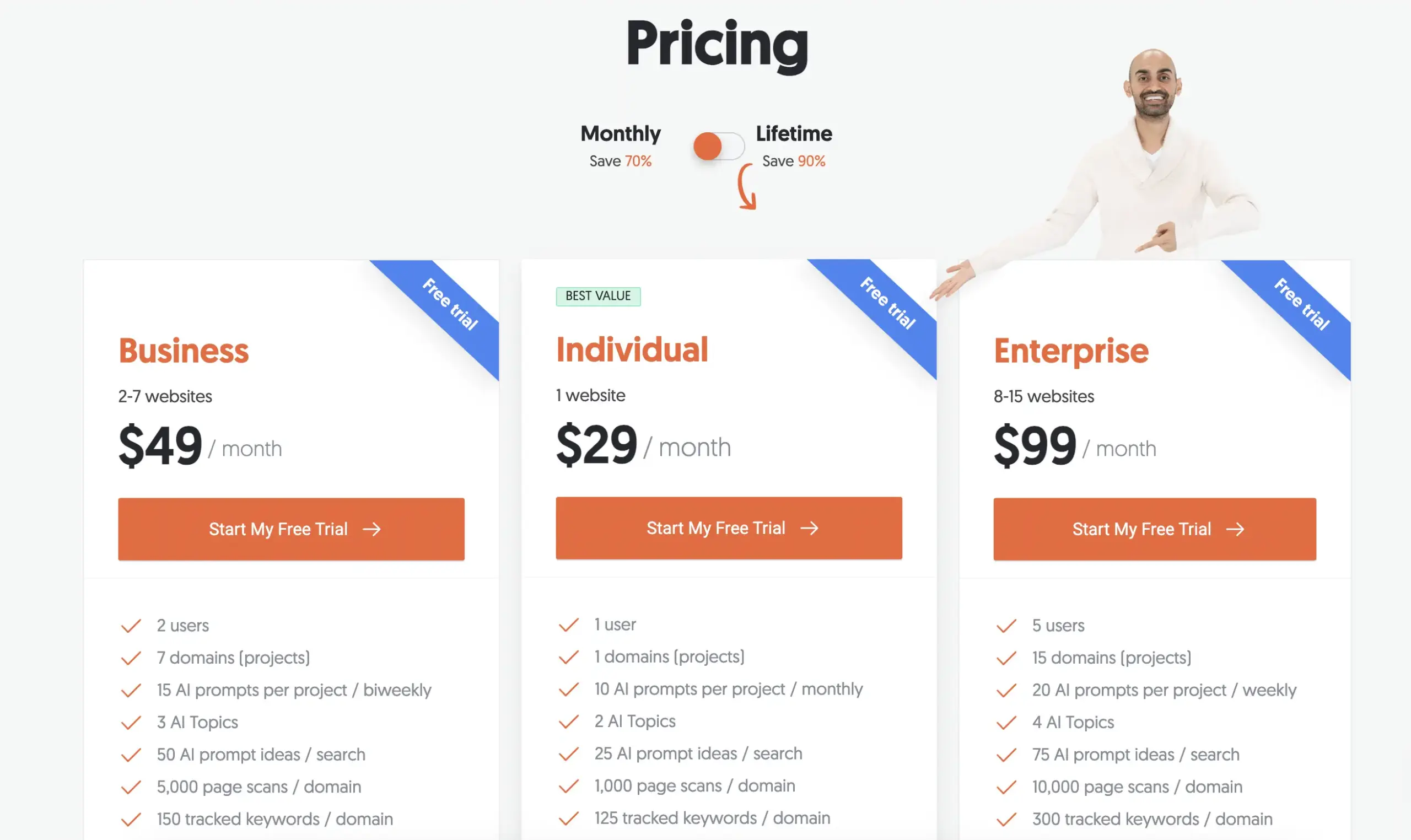
Ubersuggest — $29/month
Ubersuggest, built by Neil Patel, is probably the most well-known budget SEO tool. It starts at $29/month and includes keyword research, competitor analysis, site audits, and backlink tracking. There’s also a lifetime deal option, which is unique in this space.
The interface has gotten more complex over time — more features, more menus, more decisions to make. For someone just starting out, that can get overwhelming. It’s still a solid option, but it’s not as clean or focused as it used to be.
There is a limited free version available, though it restricts you to a few searches per day — enough to kick the tires, not enough for real work.
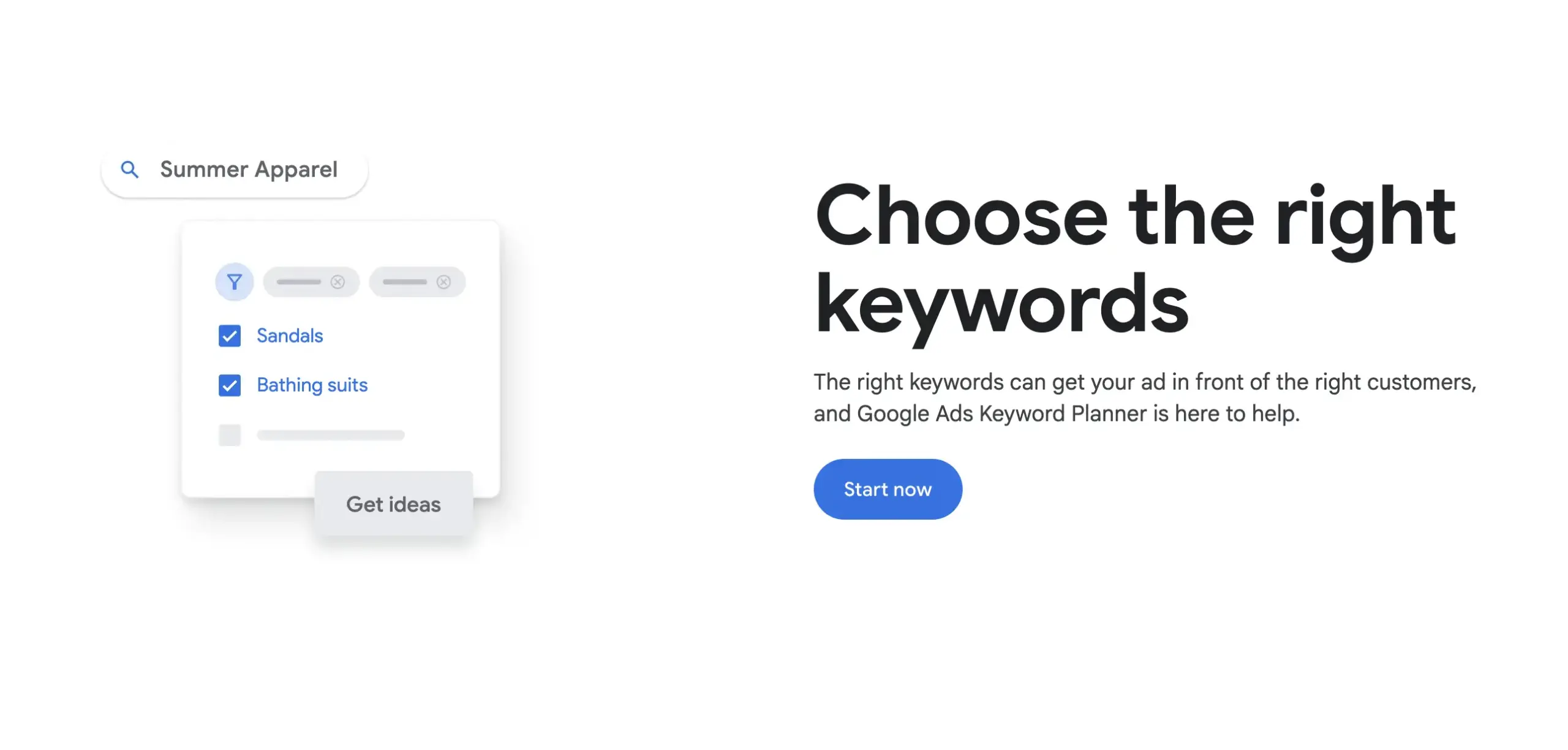
Google Keyword Planner — Free
The honest answer about free keyword research tools: there really aren’t many good ones. Google Keyword Planner is technically free, but it’s designed for paid search — the data doesn’t translate cleanly to organic SEO. The interface is clunky, the volume ranges are vague, and it’s not built for the kind of competitive analysis you need when building an organic strategy.
It’s better than nothing, but just barely.
FindQuestions.com — Free
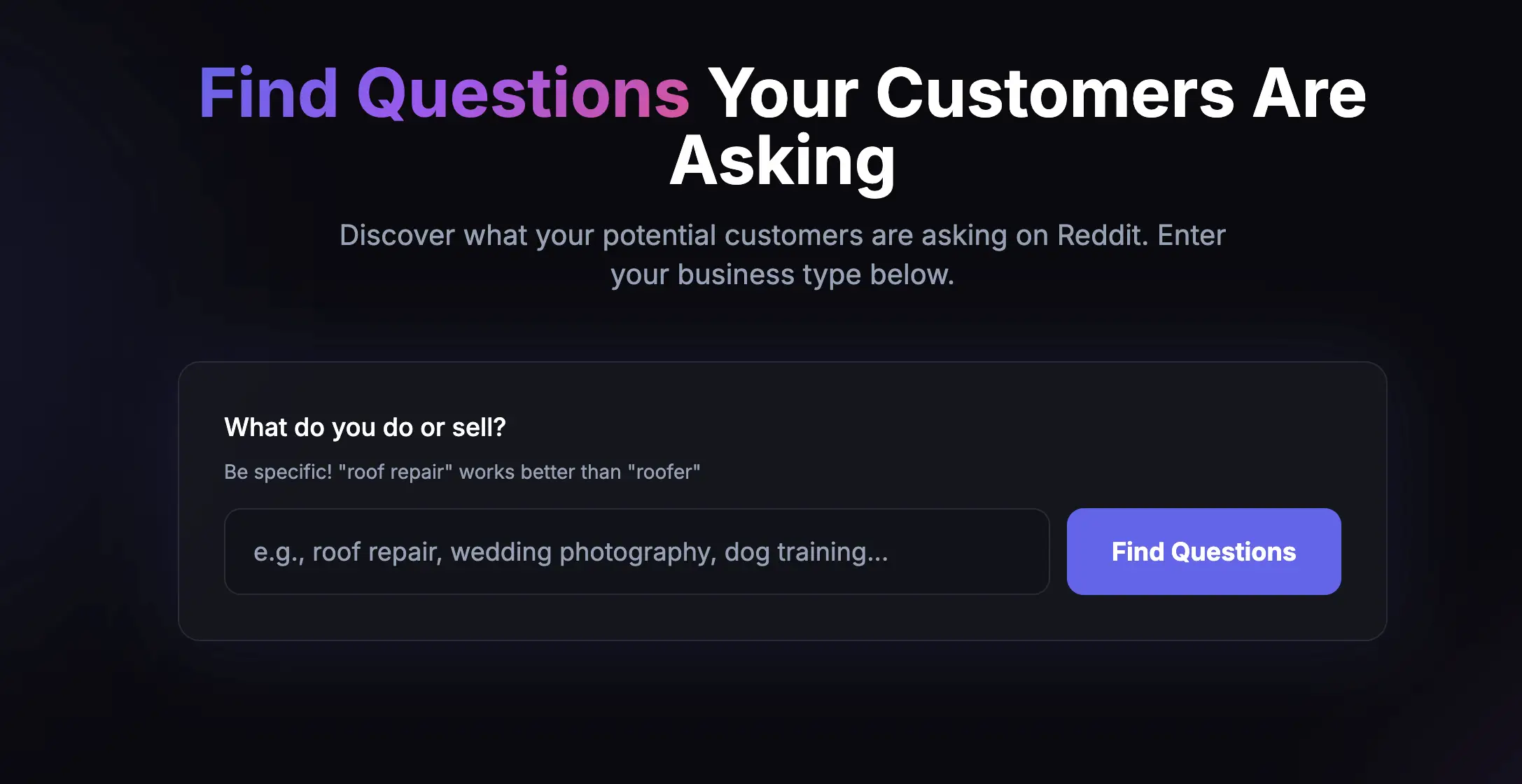
This is a free tool I built separately from HeyKeywords. You type in what you sell, and it generates a list of 40+ questions your potential customers are actually asking — pulled from Reddit, Quora, and real community discussions. It’s not a traditional keyword volume tool, but it’s excellent for content ideation and finding the exact language your audience uses.
Worth bookmarking even if you end up paying for another tool.
SearchAtlas — Starts at $99/month
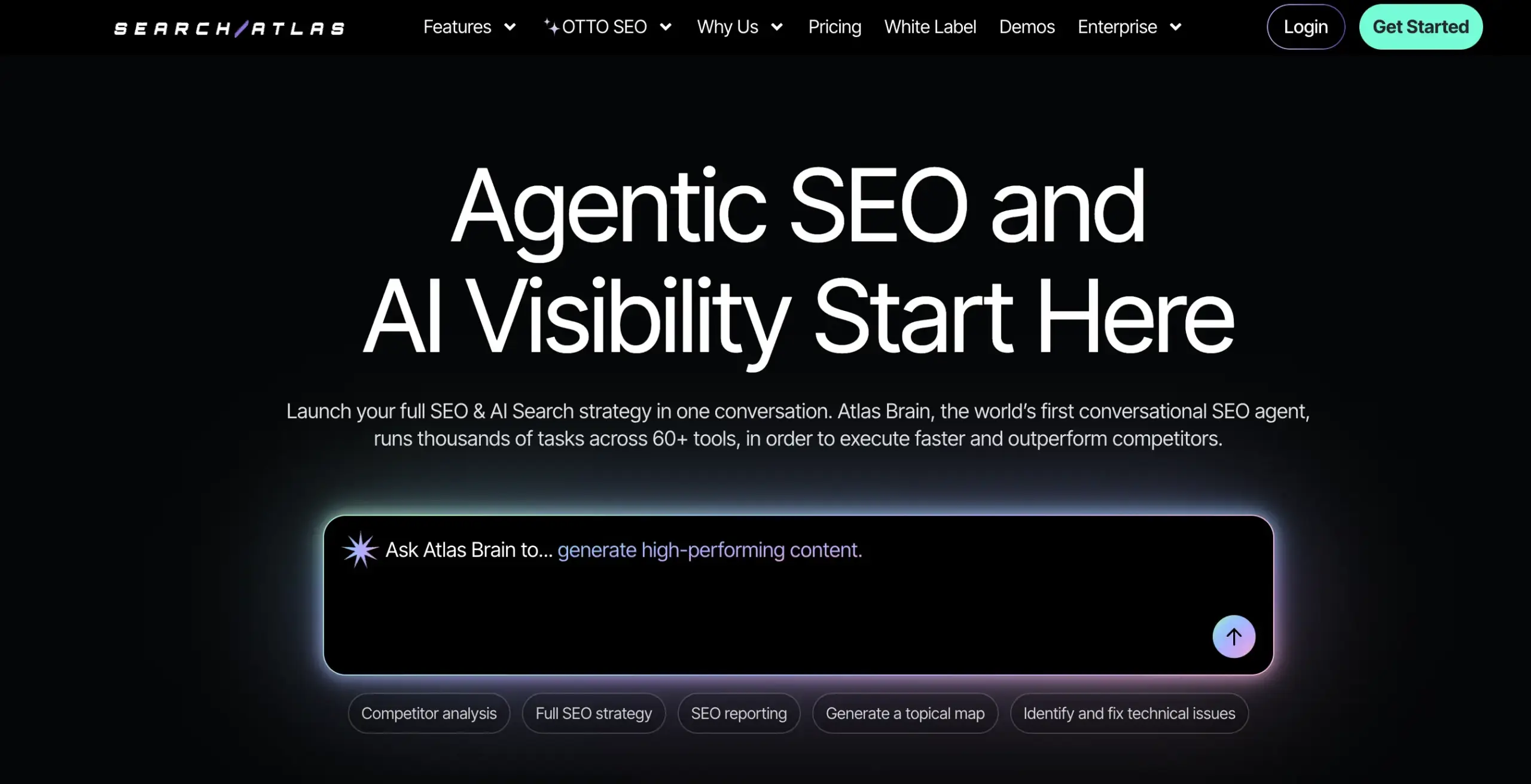
SearchAtlas is a more advanced platform with a strong feature set — keyword research, AI content tools, local SEO, Google Ads management, and more. It starts at $99/month for the Starter plan, with Growth at $199/month.
It’s technically more affordable than Semrush or Ahrefs at the lower tiers, but it’s positioned more as an agency or power-user tool than something for a solo business owner. The platform has earned strong reviews for its depth of features, though some users note a steeper learning curve.
Answer the Public — Freemium (increasingly limited free tier)
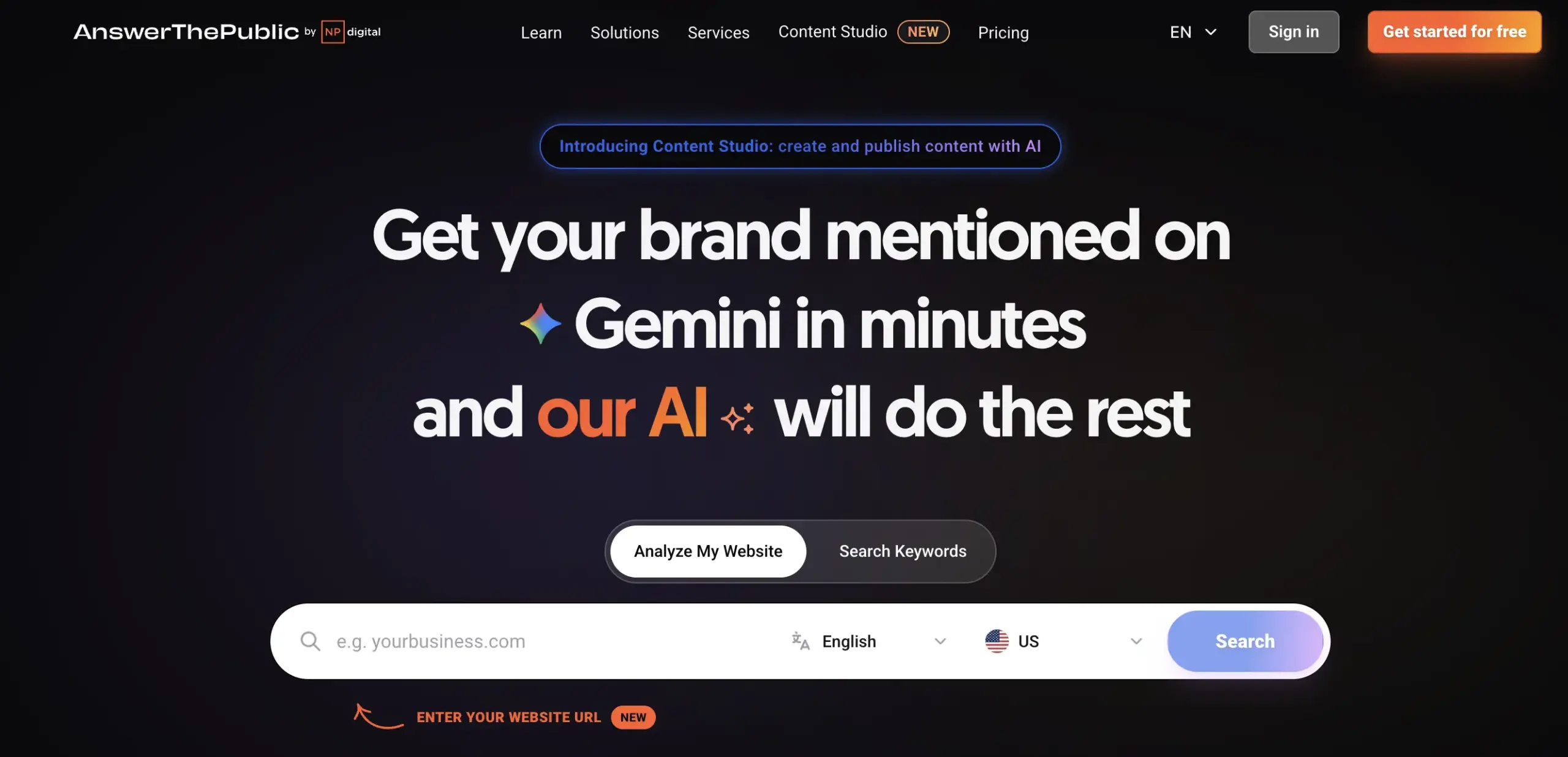
Answer the Public used to be a go-to free tool for finding question-based keywords. It still exists, but they’ve moved more features behind their paid wall. It can still be useful for quick inspiration, but it’s no longer the reliable free option it once was.
What You Actually Give Up With a Cheaper Tool
I want to be honest here, because credibility matters more than a sale.
The main trade-offs with budget keyword tools compared to Semrush or Ahrefs are:
Data depth. The big platforms have been crawling the web for years and have enormous proprietary databases. Their keyword volume estimates, backlink counts, and historical data are more comprehensive.
Speed. Tools like HeyKeywords pull real-time data rather than cached results, which can mean slightly longer load times on some queries.
Accuracy of estimates. No tool has perfect keyword volume data — they’re all estimates. But the established tools have refined their models over many years. Budget tools give you directionally accurate data, which is good enough for most decisions.
Feature breadth. If you need rank tracking, content optimization, technical audits, social analytics, and PPC research all in one dashboard, you’ll probably need a higher-tier tool eventually.
For most small business owners doing their own SEO? The trade-offs are worth it. You’re not running a 500-client agency. You need to know which keywords to target and whether you can realistically rank for them. That doesn’t require a $150/month subscription.
How to Get the Most Out of a Budget Keyword Tool
A tool is only as useful as the person using it. If you’re new to keyword research, the tool itself won’t tell you which opportunities are actually worth pursuing — you need to understand the fundamentals.
I have a full library of keyword research training on YouTube, and I’ve covered this extensively in my best selling SEO book Get Found and through Rank Week (my quarterly live SEO training event). You can read rank week reviews here. The short version:
- Look for keywords with meaningful search volume but lower competition — not every high-volume keyword is winnable
- Prioritize keywords that match your actual service offering (transactional intent beats informational for local businesses)
- Don’t ignore long-tail — “emergency plumber Hamilton Ontario” converts better than “plumber”
- Build topic clusters around your core services, not just individual keywords
If you want a place to start, search my YouTube channel for keyword research tutorials or check out the free tools at FindQuestions.com.
The Bottom Line
The cheapest keyword research tool that’s actually worth using in 2026:
| Tool | Price | Best For |
|---|---|---|
| HeyKeywords.com | $29/month | Small business owners who want the essentials without bloat |
| Ubersuggest | $29/month | Beginners who want more features (if you don’t mind complexity) |
| Google Keyword Planner | Free | PPC research only — not ideal for organic SEO |
| FindQuestions.com | Free | Question-based content ideas |
| SearchAtlas | $99/month+ | Agencies and advanced users |
If you’re a small business owner who’s been avoiding keyword research because the tools seemed too expensive — that excuse is gone. You can get started for $29/month, or even $0 with the free tools above.
SEO is a long game, but it’s one of the few marketing channels where the work you do today keeps paying you back for years. Don’t give up on it because the tools felt out of reach.
Try HeyKeywords here → heykeywords.com
Originally published . Last updated .
Categories:

Explore More